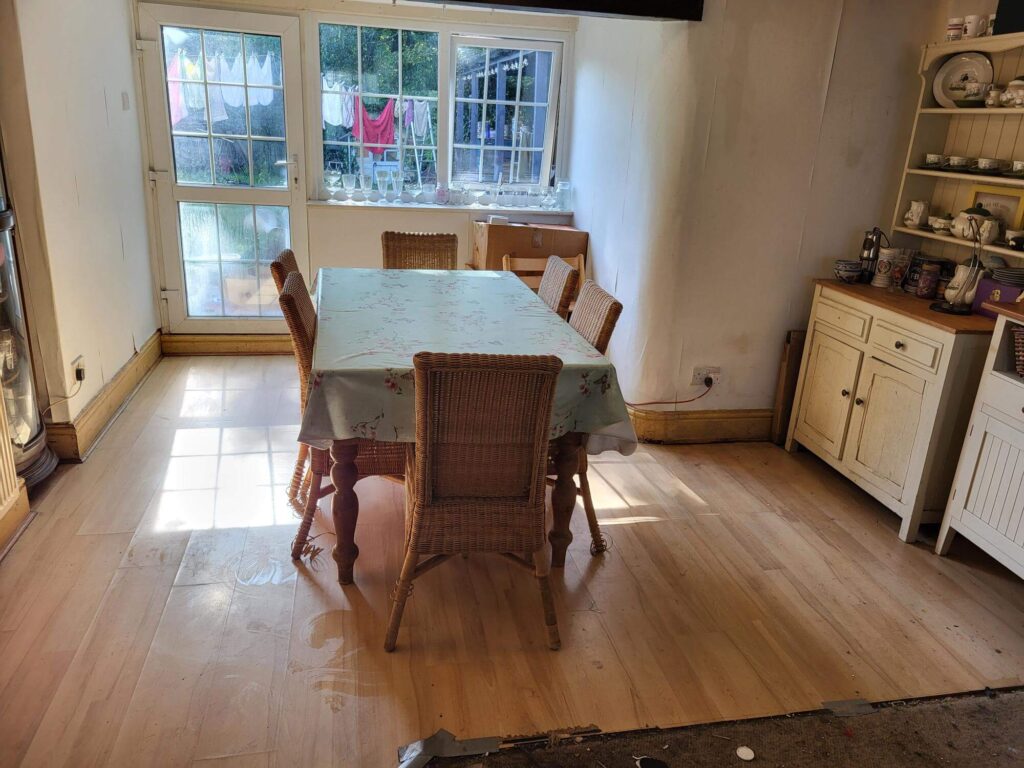
Spring is the season of renewal, making it the perfect time to clear out the clutter – both in our homes and in our minds. The connection between physical clutter and mental fog is undeniable; when our spaces are chaotic, it can be difficult to focus, relax, and feel in control. Decluttering is more than just a chore – it’s a powerful way to regain clarity, reduce stress, and create a home that truly supports your well-being.
If you’re feeling overwhelmed and mentally drained, it may be time for a reset. Here’s how decluttering can help reduce mental fog and overwhelm, along with practical steps to get started this spring.
The Link Between Clutter and Mental Clarity
Studies show that cluttered spaces can contribute to stress, anxiety, and difficulty concentrating. When our environments are cluttered, our brains process the mess as unfinished tasks, making it harder to relax or be productive. Living in a disorganised space can leave you feeling constantly behind, leading to mental exhaustion.
On the flip side, decluttering creates a sense of order, allowing your brain to process information more efficiently. When your home is clear and organised, your mind follows suit, making it easier to focus, think creatively, and feel at peace.
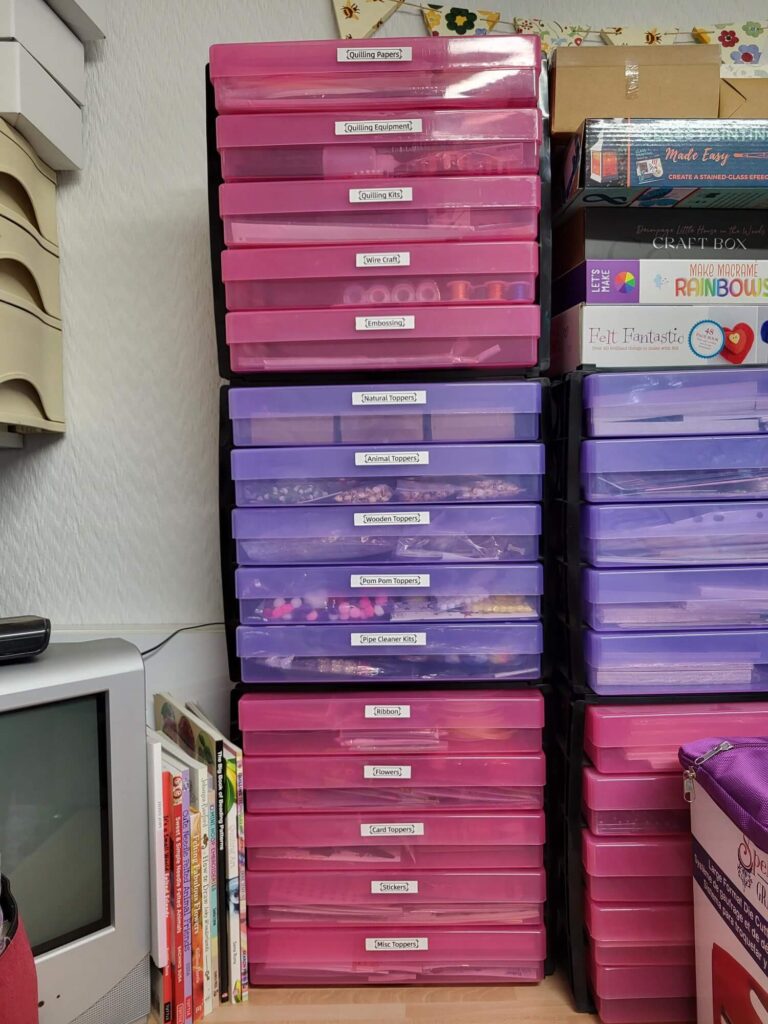
Step-by-Step Guide to Decluttering for Mental Clarity
1. The 12-12-12 Challenge
This method involves finding 12 items to throw away, 12 items to donate, and 12 items to return to their proper place. It’s a simple and effective way to make quick progress without feeling overwhelmed.
2. The KonMari Method
Popularised by Marie Kondo, this method involves decluttering by category rather than by location. Tackle clothes, books, papers, miscellaneous items, and sentimental belongings in that order. Keep only the items that “spark joy.”
3. The One-Year Rule
If you haven’t used an item in the past year, it’s a strong sign that you don’t need it. This method works well for clothing, kitchen gadgets, and miscellaneous household items.
4. The Packing Party Method
Inspired by minimalists, this approach involves packing up non-essential items into boxes as if you were moving. Over the next 30 days, only take out what you truly need. At the end of the period, donate or discard anything still in the boxes.
5. The 90/90 Rule
Ask yourself: Have I used this item in the last 90 days? Will I use it in the next 90 days? If the answer is no to both, it’s time to let it go. This method is especially helpful for eliminating unnecessary items.
6. The 5-Minute Rule
Set a timer for just five minutes and tackle as much clutter as possible. This approach makes decluttering feel more manageable and can help build consistency over time.
7. Reverse Hanger Trick
For clothing decluttering, turn all your hangers backward at the beginning of the season. Each time you wear an item, turn the hanger the right way. After a few months, donate or discard anything still facing the wrong direction.
The Emotional Benefits of Decluttering
Decluttering is not just about tidying up your home; it has profound emotional benefits as well. A clean and organised space can create a sense of calm, reducing anxiety and stress levels. It can also boost your mood and increase your overall sense of well-being, as living in a clutter-free environment allows for more mental clarity and focus. Additionally, decluttering can help you let go of the past, making room for new opportunities and personal growth. Some of the emotional benefits include:
- Reduced Stress and Anxiety: A clean, organised space helps lower cortisol levels, reducing feelings of overwhelm.
- Improved Focus and Productivity: With fewer distractions, your brain can concentrate on important tasks more effectively.
- A Greater Sense of Control: When your environment is in order, you feel more in control of your life.
- Increased Happiness: A decluttered home creates a sense of calm and makes daily life more enjoyable.
Make Decluttering a Lifestyle
Decluttering isn’t a one-time event; it’s an ongoing practice and is most effective when it becomes a consistent habit. The key is to be mindful of what you allow into your home and to regularly reassess what you truly need. By making decluttering a habit, you can maintain a space that supports your mental clarity and overall well-being.
Setting up small daily or weekly routines can prevent clutter from building up again. Adopting a mindful approach to purchases by considering their necessity and value before bringing new items into your home can also help maintain an organised space. By integrating decluttering into your lifestyle, you create a more intentional and stress-free environment that promotes long-term happiness and clarity.
This spring, give yourself the gift of a fresh start. Clear out the excess, make space for peace, and enjoy the mental clarity that comes with a tidy home. Your mind – and your future self – will thank you for it. So what are you waiting for?! You’ve got nothing to lose….except the clutter of course!!!