
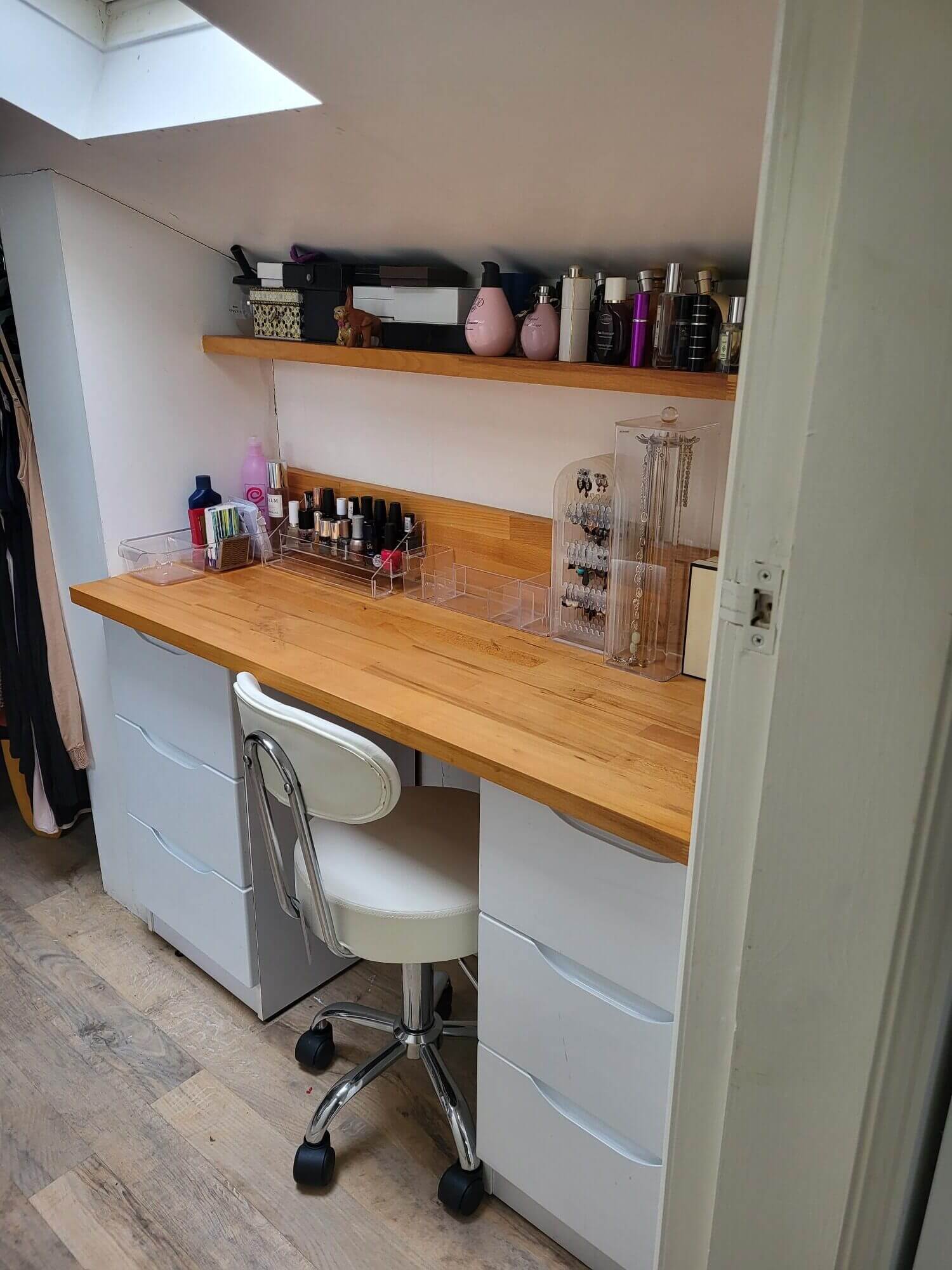
In today’s world, where environmental sustainability is a pressing concern, it is crucial to adopt eco-friendly practices in all aspects of our lives, including organising our living spaces. Sustainable organising solutions not only help us declutter and create harmonious environments but also contribute to reducing our ecological footprint. In this blog, we will explore various sustainable organising techniques and products that can transform your space while promoting a greener future.
- Decluttering and Minimalism – One of the fundamental principles of sustainable organising is decluttering and embracing minimalism. By reducing the number of belongings we own, we consume fewer resources and reduce waste. Start by assessing your possessions and identifying items that no longer serve a purpose or bring you joy. Donate, sell, or recycle these items instead of throwing them away. Additionally, when purchasing new items, opt for high-quality, durable products that will last longer, reducing the need for replacements.
- Repurposing and Upcycling – Repurposing and upcycling are creative ways to give new life to old or discarded items, diverting them from landfills. For example, transform glass jars into storage containers or plant pots, repurpose wooden crates as shelves, or convert old clothing into reusable bags or quilts. By embracing the concept of upcycling, you not only save money but also reduce waste and contribute to a circular economy.
- Eco-Friendly Storage Solutions – Investing in eco-friendly storage solutions is an excellent way to organise your space sustainably. Choose furniture and storage units made from responsibly sourced materials such as bamboo, reclaimed wood, or recycled plastic. Look for low-VOC (volatile organic compound) finishes and adhesives, which reduce off-gassing and improve indoor air quality. Use natural fibers like cotton or linen for storage containers or baskets, instead of plastic. Additionally, consider incorporating modular or multifunctional furniture designs that optimize space and reduce the need for additional items.
- Sustainable Home Office Solutions – As remote work becomes more prevalent, creating a sustainable home office space is essential. Start by using natural light as much as possible to reduce electricity consumption. Invest in energy-efficient office equipment, such as LED task lighting and energy-saving computers. Choose ergonomic furniture made from sustainable materials to promote comfort and productivity. Reduce paper waste by embracing digital document management and recycling paper when necessary. Finally, incorporate indoor plants to improve air quality and create a soothing work environment.
- Eco-Friendly Cleaning Products – When organising your space, it’s important to consider the cleaning products you use as well. Traditional cleaning products often contain harmful chemicals that can be detrimental to both your health and the environment. Opt for eco-friendly and non-toxic cleaning solutions that are biodegradable and free from harsh chemicals. Look for labels such as “green,” “natural,” or “eco-friendly.” Alternatively, you can make your own cleaning products using simple ingredients like vinegar, baking soda, and essential oils. By choosing eco-friendly cleaning products, you reduce water pollution, minimise your exposure to harmful substances, and contribute to a healthier living environment.
- Sustainable Kitchen Organisation – The kitchen is one area of the home that can greatly benefit from sustainable organising solutions. Start by reducing food waste by properly storing perishable items, using airtight containers or beeswax wraps to extend their freshness. Utilise composting to divert organic waste from landfills and create nutrient-rich soil for your garden. Avoid single-use plastic products and opt for reusable alternatives like glass jars for food storage or stainless steel containers for packing lunches. Consider investing in energy-efficient appliances and using eco-friendly dish soap and cleaning supplies. By implementing these sustainable practices in your kitchen organisation, you not only create an eco-friendly space but also contribute to reducing overall food waste and plastic pollution.
- Responsible Donation and Recycling – When decluttering and organising your space, it’s essential to dispose of unwanted items responsibly. Instead of throwing them away, explore donation options for items that are still in good condition. Many charitable organisations accept donations of clothing, furniture, electronics, and more. Additionally, recycling should be a priority for items that cannot be donated or reused. Research local recycling facilities or programs that accept materials like paper, plastic, glass, and metal. Some communities even offer special collection events for hazardous materials or electronic waste. By responsibly donating and recycling your unwanted items, you ensure they have a second life, reduce waste sent to landfills, and support a more circular economy.
Sustainable organising solutions are not only beneficial for our living spaces but also contribute to a healthier planet. By adopting decluttering and minimalism principles, repurposing and upcycling, utilising eco-friendly storage solutions, and creating sustainable home offices, we can significantly reduce our environmental impact. Remember that every small step counts, and by making conscious choices in organising our spaces, we can collectively create a greener future for generations to come. Let’s strive for sustainability and transform our spaces while positively impacting the world around us.
If you need help decluttering and organising your home, you can find out more from my website www.fortheloveoftidying.co.uk. I offer a range of packages for in-home sessions if you live within 45minutes of SK22 (UK) but also offer virtual sessions online using Zoom. Please see my website for more details.
Do you need free help? You can join my Facebook group for free advice, support, ideas and inspiration! Join here: https://www.facebook.com/groups/fortheloveoftidying
Applies To: simplify to make room for what matters | how to declutter for mental clarity this spring | sustainable organising solutions


